Why Children With ADHD Symptoms Should Also Be Evaluated for Sleep Issues
A child who can't sit still, can't focus in class, and seems perpetually exhausted or irritable is often assumed to have ADHD. And for many kids, that's exactly what's happening. But a growing body of research points to something parents and even some providers routinely overlook: disrupted breathing during sleep can produce behavior that looks almost identical to ADHD, and in some children, it's the real underlying cause.

ADHD Is Common, Which Makes This Overlap Easy to Miss
ADHD affects a significant number of American children. According to the CDC, an estimated 7 million U.S. children ages 3 to 17, about 11.7%, have a current ADHD diagnosis, based on national parent-reported survey data. Given how common ADHD diagnoses are, it's easy for a symptom pattern to get filed under that label quickly, without much time spent asking a more basic question: is this child actually sleeping well?
Sleep Problems Can Produce ADHD-Like Symptoms
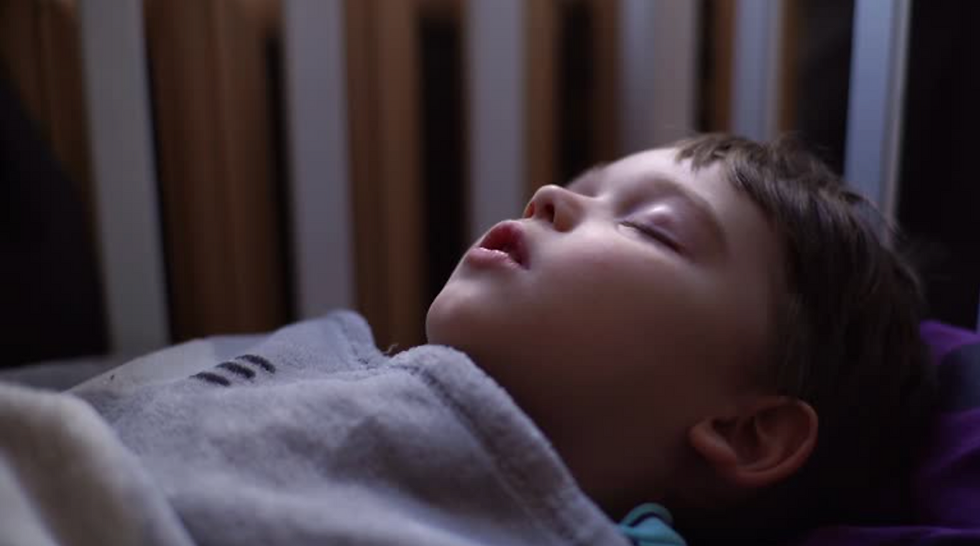
The connection isn't speculative, it's backed by a landmark study. Research published in the American Academy of Pediatrics' journal Pediatrics followed more than 11,000 children from infancy through age 7 and found that early symptoms of sleep-disordered breathing, snoring, mouth breathing, and witnessed pauses in breathing, predicted roughly 20% to 100% increased odds of problematic behavior at ages 4 and 7, even after controlling for 15 other potential explanations. Critically, symptoms that showed up as early as 6 months of age were still predicting behavioral problems years later.
The mechanism behind this connection has become clearer as well. A review in the Journal of Applied Laboratory Medicine explains that impaired breathing during sleep reduces oxygen levels and increases carbon dioxide overnight, which triggers oxidative stress and inflammation that can affect the brain regions responsible for attention and behavioral control, producing daytime symptoms like inattention, hyperactivity, irritability, and impulsivity that closely mirror ADHD.
How Common Is This Overlap?
The numbers here are striking. A review published in the journal Pulmonary Therapy notes that estimates of obstructive sleep apnea among children already diagnosed with ADHD range from 20% to 30%, meaning a meaningful share of kids receiving ADHD treatment may also have an unaddressed breathing disorder actively worsening their symptoms.
The Child Mind Institute, a nonprofit focused on children's mental health, explains why this distinction is so easily missed: kids with sleep disorders often become irritable and struggle to pay attention in class the next day, behavior that can look nearly identical to ADHD on the surface. To complicate things further, children with genuine ADHD often also struggle with sleep, whether from excess energy, stimulant medication side effects, or both, meaning sleep problems and ADHD frequently coexist and can worsen each other, rather than presenting as a simple either/or.
Why Professional Guidelines Call for Screening
This overlap is significant enough that it's built directly into national pediatric guidelines. The American Academy of Pediatrics' clinical practice guideline on childhood obstructive sleep apnea recommends that all children and adolescents be screened for snoring as part of routine health visits, and that those who snore regularly and show related symptoms be referred for further sleep evaluation.

The guideline specifically calls out daytime learning problems as one of the signs that should prompt this kind of screening, a direct acknowledgment that breathing-related sleep issues can present as attention and behavior problems rather than obvious nighttime symptoms.
What This Means for Parents
If your child has been diagnosed with ADHD, or is being evaluated for it, it's worth asking whether anyone has also looked at how they're breathing at night. Warning signs worth mentioning to your child's doctor or dentist include habitual snoring, mouth breathing during sleep, restless or sweaty sleep, pauses in breathing or gasping sounds, bedwetting past the age it's expected to resolve, and morning headaches or grogginess despite a full night in bed. None of these guarantee a sleep-breathing disorder is present, but they're exactly the kind of clues that a routine ADHD evaluation often doesn't ask about, and addressing an underlying airway issue can sometimes reduce or even resolve symptoms that were being treated as ADHD.
How Shadelands Pediatric Dentistry Can Help
At Shadelands Pediatric Dentistry, our Airway & Breathing Center is specifically dedicated to identifying signs of sleep-disordered breathing in children, including the enlarged tonsils, narrow airways, and breathing patterns that can drive daytime attention and behavior problems. If your child has been diagnosed with ADHD, or shows symptoms of it, and you've never had their airway and sleep evaluated, schedule a screening with our team to find out whether an underlying breathing issue could be part of the picture.


Comments