MyoMunchee vs Pacifier Weaning: Transition Tips
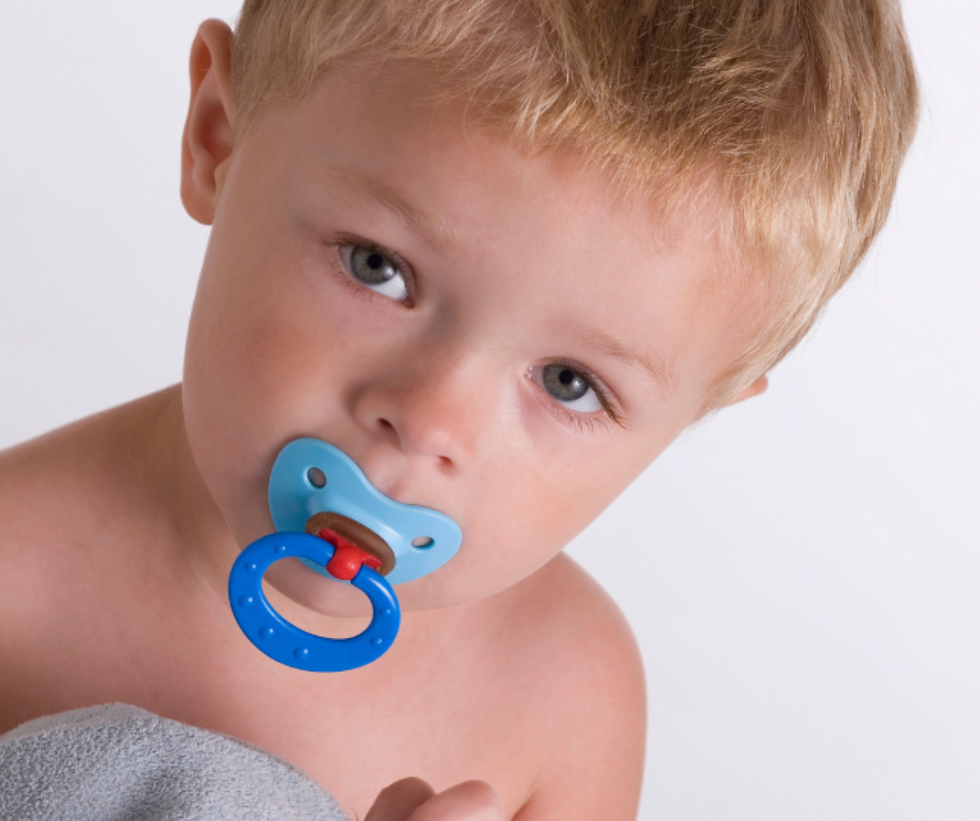
If your child is attached to their pacifier, you are definitely not alone. Pacifiers have been a favorite parenting tool for generations because they help soothe babies, support self-calming, and may even help little ones fall asleep faster. For exhausted parents, that tiny pacifier can sometimes feel like magic.
But there comes a point when many parents begin asking the same question: “When should my child stop using a pacifier?”
The answer may surprise you. Many oral health professionals agree that the concern is usually not the pacifier itself. The bigger issue is how long a child continues using sucking tools after infancy. In other words, the “use-by date” applies more to the child’s stage of development than to the pacifier itself.
By around 6 months of age, many experts recommend gradually moving away from tools that encourage sucking and instead introducing tools that support chewing and healthy mouth function. This is where products like the Myo Munchee often enter the conversation.
At Shadelands Pediatric Dentistry, we love helping families understand how oral habits may impact growing smiles and why small changes early on can make a big difference later.
Why Pacifiers Are So Popular
There is a reason pacifiers are everywhere. Babies naturally have a strong sucking reflex, especially during the first months of life. Sucking helps infants feel calm and secure. It may also help them settle during stressful moments or bedtime routines.
Parents often use pacifiers because they can help with:
Self-soothing
Falling asleep
Reducing fussiness
Car rides and public outings
Comfort during teething
For many families, pacifiers become part of the daily routine very quickly. The challenge comes when the habit continues well past infancy.
When Pacifier Use Starts Becoming a Concern
Short-term pacifier use during infancy (up to 6months of age) is usually not a problem. However, prolonged use may affect how a child’s mouth, jaw, teeth and swallow patterns develop over time.
As children grow, their mouths begin preparing for more mature movements related to chewing, swallowing, speech, and breathing. Continuing to rely heavily on sucking habits after infancy may interfere with those natural transitions.
Some children who use pacifiers for too long may develop:
Bite alignment concerns
Narrow dental arches
Mouth breathing habits
Speech development issues
Tongue positioning problems
This is one reason many professionals encourage parents to gradually reduce pacifier use around the 6-month mark and to begin introducing activities that promote chewing instead.
What Is the Myo Munchee?
The Myo Munchee is an oral development tool designed to encourage chewing and healthy muscle activity inside the mouth. Unlike a pacifier, which focuses on sucking, the Myo Munchee supports munching motions that help train the lips, tongue, jaw, and facial muscles.

Children munch on the soft device during short supervised sessions. The repetitive munching action helps support oral muscle function and tongue-to-palate positioning while also giving children a sensory outlet during the transition away from pacifiers.
Many parents appreciate that the Myo Munchee feels less like “taking something away” and more like replacing one habit with another that better matches a child’s developmental stage.
Why the Myo Munchee May Be a Better Choice
The biggest difference between a pacifier and a Myo Munchee comes down to function. Pacifiers encourage sucking. The Myo Munchee encourages chewing and tongue-to-palate positioning to reduce low tongue-resting posture.
Chewing plays a major role in oral development as babies grow into toddlers and young children. It activates muscles differently and encourages more mature facial/mouth muscle and swallow patterns.
Some possible benefits associated with the Myo Munchee include:
Encouraging chewing reflexes
Supporting oral muscle activity
Helping with tongue positioning
Giving sensory input during transitions
Supporting healthy jaw development
Of course, every child is different. Some children transition easily, while others need more patience and gradual changes.
Tips for Transitioning Away From the Pacifier
Let’s be honest. Pacifier weaning is not always easy. Some children are very emotionally attached to it, especially during naps and bedtime, and that makes sense if their muscles, including those of the tongue, are not functioning correctly.
The good thing is that parents do not have to approach the transition all at once. Small changes over time often work well.
Here are a few simple tips that may help:
Limit pacifier use to naps and bedtime first
Introduce other calming bedtime routines
Offer the Myo Munchee during supervised daytime use
Praise progress, even if it feels small
Stay consistent with boundaries
Avoid shaming or punishment
Have your child’s tongue evaluated for possible restrictions
Some families also create fun “goodbye pacifier” traditions to make the process feel exciting instead of stressful.
Supporting Healthy Smiles Early
Oral habits during infancy and toddlerhood can shape the way a child’s mouth develops over time. That is why conversations about pacifier use, thumb sucking, chewing habits, and breathing patterns matter so much during early childhood.

At Shadelands Pediatric Dentistry, we believe education plays a big role in helping parents feel more prepared during every stage of development. Whether your child still uses a pacifier or you are beginning the transition process, our team is here to answer questions and support your family.
Families searching for pediatric dental services in the Bay Area, CA, often want guidance that feels practical and easy to follow. We love helping parents understand how small daily habits may influence long-term oral health.
Pediatric Dentistry Support for Growing Smiles
Every child develops differently, and there is no perfect timeline for pacifier weaning. What matters most is recognizing when a child is ready to move from sucking habits toward more mature chewing and facial/oral muscle patterns.
If you have questions about pacifiers, oral development tools like the Myo Munchee, or your child’s growing smile, our team at Shadelands Pediatric Dentistry is here to help. Our pediatric dentistry team works closely with families to support healthy oral habits during every stage of childhood.
Contact Shadelands Pediatric Dentistry today at (925) 930-9390 to schedule an appointment and learn more about your child's oral development.


Comments