Tethered Oral Tissue (TOT) in Children: Signs, Symptoms & Treatment

Many parents notice little things in their child’s feeding, speech, or eating habits and wonder if something more is going on. Maybe breastfeeding has been painful, bottle feeding takes longer than expected, or certain speech sounds seem difficult for your child to pronounce. In some cases, these issues may be related to Tethered Oral Tissue (TOT).
The good thing is that when TOT is identified early, treatment can help children eat, speak, and move their mouths more freely. At Shadelands Pediatric Dentistry, we work closely with families to evaluate symptoms and discuss treatment options that fit each child’s needs.
What Is Tethered Oral Tissue (TOT)?
Tethered Oral Tissue (TOT) happens when the small bands of tissue inside the mouth, called frenums, are too tight, thick, or short. These tissues are part of the fascia that connect the tongue, lips, and cheeks to different parts of the mouth. When movement becomes restricted, it can affect feeding, speech, oral development, and even breathing.
One of the most common forms of TOT is a tongue tie, also known as Ankyloglossia. A tongue tie occurs when the tissue under the tongue limits how far the tongue can move. Some children may also have a lip tie, which affects the upper or lower lip, or buccal ties which affect the cheeks.

TOT can range from mild to more severe. Some children show symptoms shortly after birth, while others may not show signs until they begin speaking or eating solid foods.
Common Signs and Symptoms of TOT in Children
The symptoms of TOT can look different depending on a child’s age. Babies, toddlers, and older children may all experience different challenges related to restricted oral movement.
Here are some common symptoms:
Difficulty breastfeeding or staying latched
Clicking sounds while feeding
Slow weight gain in infants
Frustration during feedings
Trouble moving the tongue side to side
Delayed speech development
Difficulty pronouncing certain sounds
Mouth breathing or snoring
Picky eating
Problems chewing certain foods
Gagging while eating
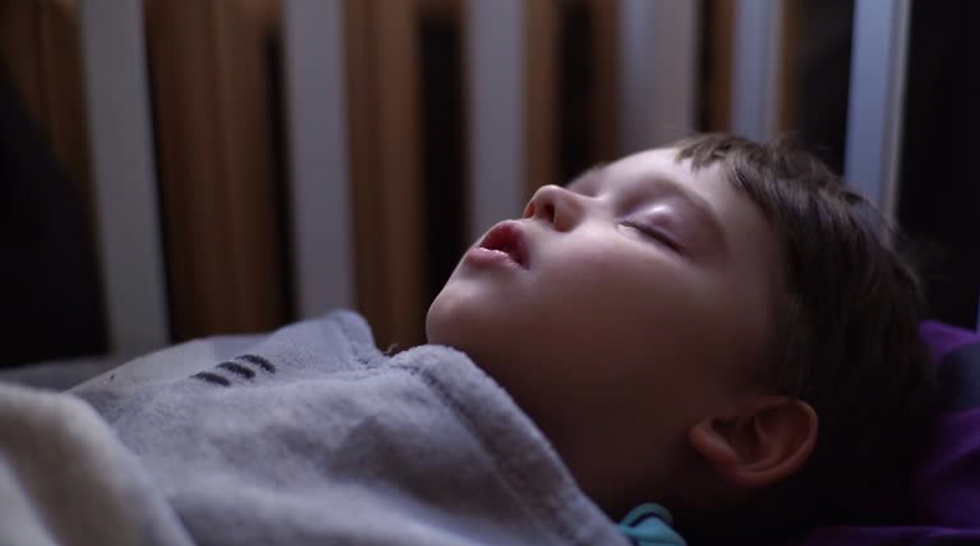
Open mouth breathing (awake or asleep)
In some children, symptoms are subtle. Others may have several signs at the same time. Because TOTs can affect multiple areas of development, a professional evaluation is often the best next step.
How Tongue Tie Can Affect Daily Life
A tongue tie may sound minor at first, but tongue movement plays a large role in everyday activities and neuro-muscular development. Children use their tongues for feeding, swallowing, speaking, oral cleaning and even as a foundation for nasal breathing.
Infants with Ankyloglossia sometimes struggle to create a proper latch during breastfeeding. This can lead to long feeding sessions, insufficient milk production and discomfort for nursing mothers. As children grow, restricted tongue movement may affect speech clarity, eating habits, sleep quality and posture.
Some children avoid foods that require more chewing or are tricky to manipulate around the mouth because tongue mobility is limited. Others may become frustrated when trying to pronounce sounds like “L,” “R,” “T,” “D,” or “TH.”
Parents are sometimes surprised to learn that TOsT may also affect sleep and breathing patterns. Mouth breathing and restless sleep may be connected to oral restrictions in some cases.
Diagnosing TOT in Children
Diagnosing TOTs involves more than simply looking under the tongue. A pediatric dental evaluation often includes reviewing feeding history, speech concerns, oral movement, and overall function.
At Shadelands Pediatric Dentistry, we look at how the mouth works as a part of the whole body. Some children with visible ties may have very few symptoms, while others with less obvious restrictions may struggle daily.
During an evaluation, we may assess:
Tongue mobility
Lip movement
Feeding patterns
Speech concerns
Oral development
Swallowing habits
Sleep patterns
Posture
Facial development
Every child is different, which is why treatment recommendations should be personalized.
What Is a Frenectomy?
A frenectomy is a procedure that releases the tight tissue causing restricted movement. During treatment, the frenum is gently adjusted to allow better motion of the tongue or lip.
For many families, hearing the word “procedure” can feel intimidating. However, modern dental technology has changed the way frenectomies are performed.
At Shadelands Pediatric Dentistry in Walnut Creek, we use advanced dental technology to make treatment more precise and gentle for children. One option we offer is laser frenectomy treatment using the Fotona LightWalker dental laser for either a surgical or red-light therapy.

Laser technology allows for a very targeted approach during the procedure. Many families appreciate that laser treatment may involve less bleeding and a shorter recovery period compared to traditional methods.
The procedure itself is usually quick, and many children return to normal activities shortly afterward.
What Recovery Looks Like After a Frenectomy
Recovery after a frenectomy is often easier than parents expect. Some children may feel mild soreness for a short period, but many recover quickly.
Parents are usually given stretching exercises and aftercare instructions to support healing and help maintain the new range of motion. Following these instructions matters because tissues naturally try to reconnect during healing.
Depending on the child’s age and symptoms, speech therapy, bodywork, or feeding therapy may also be recommended before or after treatment. These therapies can help children adjust to their improved tongue and lip movement.
Every child responds differently, but many families report improvements in feeding, speech, and oral function after treatment.
When Should Parents Seek an Evaluation?
Parents know their children best. If feeding, speech, or oral habits seem unusual, it may be worth scheduling an evaluation.
Some signs that may point toward TOT include ongoing feeding struggles, speech concerns, mouth breathing, difficulty with oral movement, or coordination challenges. Even older children and teenagers can benefit from evaluation and treatment when symptoms continue affecting daily life.
Early identification can help families better understand what is happening and what options may help their child feel more comfortable eating, speaking, and growing.
Helping Children Feel More Comfortable and Supported
Every child deserves dental care that feels supportive and personalized. At Shadelands Pediatric Dentistry, we take time to answer questions, explain treatment options, and help families feel informed throughout the process.
If you suspect your child may have Tethered Oral Tissue, tongue tie, or Ankyloglossia, our team is here to help. Contact Shadelands Pediatric Dentistry in Walnut Creek at (925) 930-9390 to schedule an evaluation and learn more about whether a frenectomy with the Fotona LightWalker laser may be right for your child.


Comments