Early Signs of Sleep-Disordered Breathing in Kids: What Parents Should Know

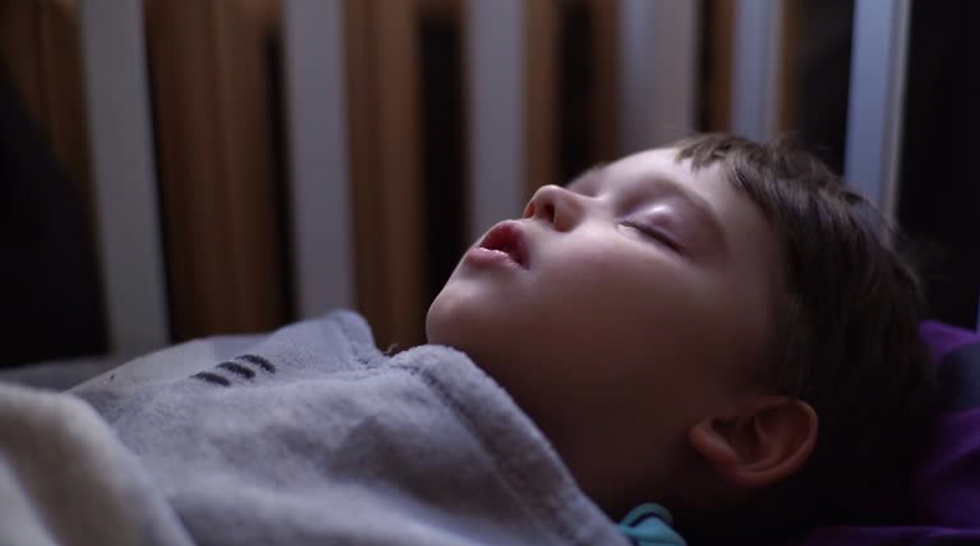
Have you ever walked into your child’s room at night to check on them, only to notice that they sound congested? Perhaps you hear them snoring lightly (or not so lightly). You may even see that they are breathing through their mouth, not their nose. Is all of this normal?
It turns out that many kids have sleep-disordered breathing. Unfortunately, those who do often wake up tired as they don’t get the quality sleep that they need. This, in turn, can have negative consequences for things like mood, a child’s ability to learn, behavior, and overall wellness.
The good news, however, is that your child’s pediatric dentist can often help.
What is Sleep-Disordered Breathing?
Let’s kick off by making sure we’re all on the same page about what sleep-disordered breathing is.
Sleep-disordered breathing is a broad term for several nighttime breathing conditions that can affect children. These conditions can include everything from increased resistance to airflow in the upper airway and snoring to a condition called hypopnea, which means there is a reduction in airflow when your child is asleep.
In more serious cases, children may experience apnea, which means breathing temporarily stops while they sleep. In simple terms, sleep-disordered breathing occurs when airflow is partially or completely blocked during sleep, making it harder for children to breathe normally throughout the night.
Common Causes of Sleep-Disordered Breathing in Kids
We all want our kids to get a good night’s sleep. And we certainly don’t want them to have any breathing challenges. So this begs the question: what causes sleep-disordered breathing in kids?
Here are the most common culprits:
Enlarged tonsils and adenoids
Chronic mouth breathing
Allergies and nasal congestion
Frequent colds or sinus problems
Airway development concerns
Poor tongue posture (low)
Obesity or excess weight
Family history of sleep apnea
Signs Parents Might Notice at Night
Earlier, we mentioned some things you might notice when your child is asleep. Let’s take a look at a more comprehensive list of symptoms that indicate that your child is experiencing sleep-disordered breathing.
Loud or frequent snoring
Breathing seems to pause intermittently
Restless sleep or tossing and turning
Mouth breathing during sleep
Night sweats
Bedwetting beyond the typical age range
Waking up tired despite getting the recommended hours of sleep per night

If you’re noticing one or more of these symptoms, it’s time to contact your child’s medical doctor or pediatric dentist.
Daytime Symptoms that Can Point to a Sleep Problem
Oftentimes, it can be hard to notice that something is going on when your child is sleeping. But during the day, it can be an entirely different story. In fact, for some kids, the signs of sleep-disordered breathing can be completely opposite of what you expect.
Some kids, when they are tired, don’t just sit on the couch and zone out. In fact, many overtired kids get overactive, if not hyperactive. Or, they have more trouble managing their emotions. But these aren’t the only daytime indicators.
Behavioral and Learning Concerns
Just as we want our kids to get a good night’s sleep, we want them to do well in school. However, kids with sleep apnea are seven times more likely to experience learning problems. Not only that, but they are three times more likely to experience low grades, such as a C or lower.
Physical Symptoms that are Easy for Parents to Overlook
We’d be remiss if we didn’t also mention some physical symptoms associated with sleep-disordered breathing. Here are some of the most common:
Waking up with a headache
Dry mouth
Dark circles under the eyes
Frequent congestion
Chronic mouth breathing (during the day, not just at night)
Forward head posture
All of these issues are indicators that your child could benefit from treatment.
Why Early Evaluation is So Important
We’re big advocates of early evaluation. When we can identify these issues in kids early on, we have a far better chance of treating them successfully. This means a better night’s sleep for your child (and you). It also means a more regulated and well-rounded kid. And that’s a win-win for everybody.
That said, let’s talk a little bit about how pediatric dentists can identify sleep-disordered breathing and what the related treatment might look like.
What Pediatric Dentists Look For
During routine dental exams and airway screenings, pediatric dentists can often spot signs of sleep-disordered breathing. This can include narrow dental arches, enlarged tonsils, teeth grinding, chronic mouth breathing, facial development, behavioral challenges, sensory sensitivities, muscle tone, symmetrical growth and other airway-related concerns.
At Shadelands Pediatric Dentistry, we look at the bigger picture when evaluating your child’s oral health and development because sleep and breathing patterns can affect much more than just teeth.
Treatment Options
Treatment depends on your child’s unique symptoms and needs. Some children may benefit from monitoring growth and development, while others may need support for airway concerns or orofacial myofunctional disorders that affect breathing, swallowing, and oral function.
The Shadelands Pediatric Dentistry Airway & Breathing Center (ABC) was founded by Dr. Lopez in 2021 to help identify potential concerns early. By doing so, she has helped kids develop healthy smiles, healthy minds, and healthy breathing habits into adulthood. Our team also works closely with other providers, including myofunctional therapists, orthodontists, chiropractors, and craniosacral therapists, to help children improve airway health and sleep quality.

Supporting Better Sleep and Health for Growing Kids
If your child is showing any of the signs and symptoms that we mentioned earlier, why not contact us for a sleep-disordered breathing assessment in Walnut Creek, CA? We work with kids all the time who have very similar sleep concerns, and we take it upon ourselves to make sure they get the right treatment to help them sleep and breathe better.
To get started, contact us at (925) 930-9390 to schedule an evaluation. Whether you have concerns about your child’s breathing, sleep habits, or their oral development, we’re here to help.


Comments